Unattended Death in a Home? Steps to Take After Finding a Dead Body
Discovering a dead body is a highly emotional ordeal that no one is ever fully prepared to face. Whether the death appears to be from natural causes, a tragic accident, or a violent crime, the situation requires immediate attention and careful action.
If you ever find yourself dealing with an unattended or mysterious death scene, it’s important to follow the right protocol to ensure your own safety, convey vital information to the authorities, and handle the process with respect and care for the deceased individual. Here’s what you need to know about taking the appropriate steps after finding a dead body in your own — or someone else’s — home.
Step 1: Assess the Situation
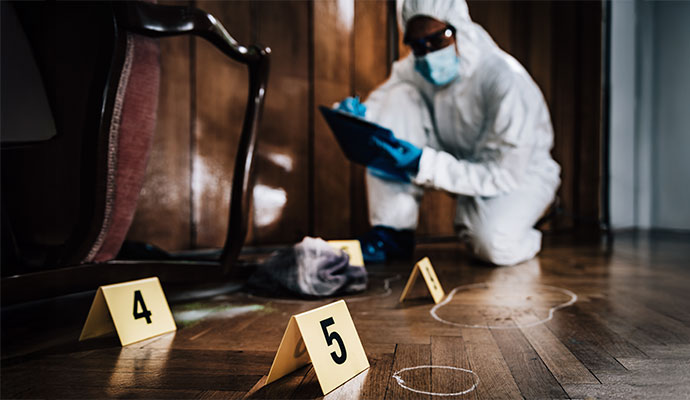
The first thing to do when you find a dead body is to assess the entire setting. If it’s clear the person has been deceased for some time or there are safety hazards present — such as blood or other bodily fluids, structural dangers, or evidence of an apparent crime scene — do not enter the area. Instead, move to a safer location and call the national emergency telephone number (911).
If you deem the area safe, you can try assessing the person’s vital signs. Look for signs of breathing or a pulse to determine if the person is still alive or very recently deceased, but avoid attempting medical procedures such as CPR or defibrillation if you’re not a trained professional.
If it appears that the deceased committed suicide or the death seems related to a violent crime, take special care not to disturb the body or anything at the scene. Let law enforcement conduct their investigation thoroughly, then contact a biohazard removal specialist when you are cleared to do so.
Step 2: Contact the Appropriate Authorities
When you find a dead body, the next critical step is to call emergency services. Regardless of the cause of death, the authorities must be notified promptly.
Depending on the circumstances, different professionals will be involved:
- Paramedics will assess the situation and confirm the identity of the dead body.
- Police officers or a case detective may need to investigate if the death seems suspicious.
- A medical examiner or coroner may be called to the death scene to confirm the cause of death.
- The body may be sent to either the morgue (where a coroner performs the cause of death examination) or a funeral home (where a funeral director may manage the process).
If there’s any chance the deceased committed suicide, it’s important to mention this when the authorities arrive or while you’re speaking to the dispatcher. Sharing your observations can help emergency services determine whether additional professionals involved in mental health or forensic analysis may need to assist at the scene.
Step 3: Communicate With First Responders
While you may feel frightened, upset, or angry after finding a dead body, it’s essential to try to stay calm and tell first responders as much as you know. Conveying information to police officers, EMTs, and other first responders can help speed up the investigation process and ensure justice for the deceased person.
As soon as the ambulance arrives (or as you’re on the phone with on-route EMTs), provide clear and accurate information about what you’ve discovered. This may include:
- When and how you discovered the dead body
- Any observations about the deceased person
- Known medical history
- Potential circumstances surrounding the person’s death
Once the paramedics arrive, they will assess if any possible life-saving measures can be taken. They may perform CPR, use an electric shock defibrillator, or perform resuscitation in another way. If these techniques appear to be working, they may transport the person to a medical facility via ambulance to continue working on them.
If the person has in fact passed, they will officially confirm the death. A licensed physician or medical examiner will then perform a medical examination to determine how the individual passed away. If the medical examiner or coroner finds signs of foul play, the authorities may request that you remain nearby to answer questions for the potential criminal investigation, or contact you at a later date with additional questions.
Step 4: Notify Immediate Family Members
Informing a friend or family member about the death of their loved one is a deeply emotional task, so always wait until medical professionals or authorities confirm the person’s identity and provide you with accurate details before reaching out to their immediate family, friends, or other loved ones. If this important task falls on you, focus on providing information accurately without overwhelming them with unnecessary details about the person’s death. Assure them that the situation is being handled by professionals and that steps are being taken to ensure a respectful process for their loved one.
Step 5: Coordinate Funeral Arrangements
Once the body has been transferred to a hospital or funeral home, the family can begin planning a funeral service. A funeral director may assist in organizing the farewell, guiding the family through decisions such as burial or cremation, memorial services, and other personal touches to honor the deceased person. If the family wishes to say farewell prior to the funeral, they may arrange for a viewing or visitation.
Step 6: Address Cleanup
DIY biohazard cleanup can be both a dangerous and emotionally devastating task, which is why cleaning up a death scene is best left to professionals who specialize in biohazard waste disposal. Qualified crime scene cleanup professionals are equipped with the proper tools, training, and protective gear to handle blood cleanup and sanitation safely and efficiently.
Step 7: Seek Support
Finding a dead body is a highly traumatic experience. Let your emotions flow freely and allow yourself to grieve and heal. Don’t hesitate to seek emotional support through:
- Counseling services
- Support groups
- Close friends and family
Get the Help You Need
Coming across a dead body in a home — whether it’s your own home or the house of a family member — is an overwhelming and upsetting experience, but knowing what to do can help you make educated decisions and handle the death with care and respect. By prioritizing your own safety, communicating with emergency services, and relying on the expertise of a certified bioremediation company to handle blood and other bodily fluids, you can ensure the deceased person is treated with dignity and the family receives as much support as possible.
If you’re in need of compassionate and thorough unattended death cleanup, crime scene cleanup, or related services, Trauma Scene Cleaners is here to help. Our team is dedicated to restoring safe environments and providing peace of mind during life’s most challenging moments. Contact us today for immediate assistance.
Trauma Scene Cleaners Service Area