The Hidden Duty Of A Trauma and Biohazard Cleanup Firm – Emotional Labor
Crime scene cleanup and forensic cleaning services are critical in the aftermath of a disaster, traumatic event, or infectious disease outbreak. Crime scene cleanup and biohazard remediation require experienced technicians trained and certified to handle hazardous and infectious materials, including harmful bloodborne pathogens. In addition, a biohazard cleaning company must adhere to industry best practices and CDC and EPA guidelines to ensure the risk of exposure and avoid the infestation of contaminants.
In a single event, a professional crime scene cleanup company can remediate the area and completely remove all hazardous materials, providing peace of mind to business owners and everyone involved. Trauma and crime can profoundly impact individuals, first responders, and law enforcement officers. The coping mechanism for many is detachment from the thoughts and feelings associated with the scene of a crime.
The Hidden Perils Of Dealing with Trauma and Crime on a Daily Basis
It is difficult for first responders, police forces, and crime scene investigators to ascertain the risk and extent of contamination and the need for cleanup and decontamination. However, a biohazard cleaning company’s prompt and professional response time can alleviate this burden.
Crime scene cleaning services are not limited to violent crimes such as homicide or sexual violence. Biohazard cleanup can be necessary for unattended death cleanup, suicide cleanup, and hoarding cleanup. The unattended death cleanup of a loved one can be overwhelming and traumatic, with the added risk of exposure to bloodborne pathogens. Properly cleaned, disinfected, and decontaminated areas across homes and businesses can eradicate the risk of exposure to harmful pathogens.
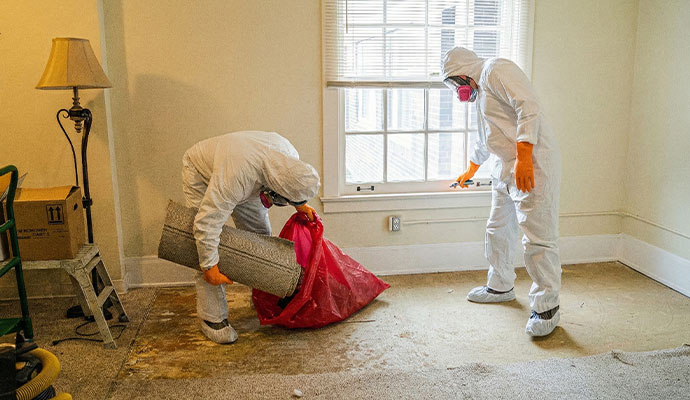
The trauma and stress associated with a traumatic event can result in first-hand exposure to the signs of PTSD. Trauma scene cleaners must be courteous and discreet while providing emotional support to those affected by a traumatic event. The cleaning process and decontamination require the use of personal protective equipment (PPE) to minimize the risk of exposure to bodily fluids and bloodborne pathogens.
Upon completion, the biohazard cleanup company must ensure the area is pathogen-free and safe for habitation. In addition, the cleaning company must be insured, and the technician must be trained and certified to handle biohazardous and infectious materials.
In the age of coronavirus, the importance of biohazard cleaning and disinfection has never been more apparent. A pathogen-free environment is crucial to maintaining public health, preventing the spread of infectious diseases, and protecting individuals from harm. A professional crime scene cleanup and biohazard cleaning company can provide decontamination and disinfection services to homes and businesses, giving them the peace of mind they need to operate safely during a pandemic.
The work of a trauma scene cleaner is not only physically demanding but also emotionally taxing. They are often exposed to scenes of violence, death, and trauma that can impact their mental health. The coping mechanism for many is detachment, but this can have long-term consequences, such as depression, anxiety, and post-traumatic stress disorder (PTSD).
To mitigate the risk of trauma and burnout, trauma scene cleaners must prioritize self-care and seek professional help when necessary. It is essential to recognize the signs of PTSD, such as flashbacks, nightmares, and avoidance behavior, and seek help early on.
Resources are available for trauma scene cleaners and other professionals exposed to trauma. The National Alliance on Mental Illness (NAMI) offers a helpline for individuals seeking support and resources. In addition, the Substance Abuse and Mental Health Services Administration (SAMHSA) provides a disaster distress helpline for individuals affected by disasters and traumatic events.
The International Association of Trauma Professionals (IATP) provides training and resources for professionals working with trauma survivors. The IATP offers certification programs, continuing education, and conferences to improve the knowledge and skills of trauma professionals.
Trauma scene cleaners should also practice self-care regularly. This can include exercise, meditation, and other stress-reducing activities. In addition, taking breaks and prioritizing time off is essential to prevent burnout and compassion fatigue.
In conclusion, trauma scene cleaning is a demanding and emotionally taxing profession. The mental toll of exposure to trauma can have long-term consequences, including PTSD, depression, and anxiety. Therefore, trauma scene cleaners must prioritize self-care and seek professional help when necessary. Resources for individuals affected by trauma include helplines and training programs. By prioritizing self-care and seeking support, trauma scene cleaners can continue to provide vital services while protecting their mental health.
External resources:
- National Alliance on Mental Illness (NAMI) Helpline: Nami Helpline
- Substance Abuse and Mental Health Services Administration (SAMHSA) Disaster Distress Helpline
- International Association of Trauma Professionals (IATP): Evergreencertifications
In conclusion, Trauma Scene Biohazard Cleaners provide prompt and professional biohazard cleanup services for businesses and individuals across the U.S. Their trained and certified technicians follow industry best practices, adhere to CDC and EPA guidelines, and use personal protective equipment to minimize the risk of exposure to harmful bloodborne pathogens. In addition, their discreet and courteous service provides emotional support to those affected by a traumatic event, providing peace of mind to everyone involved.
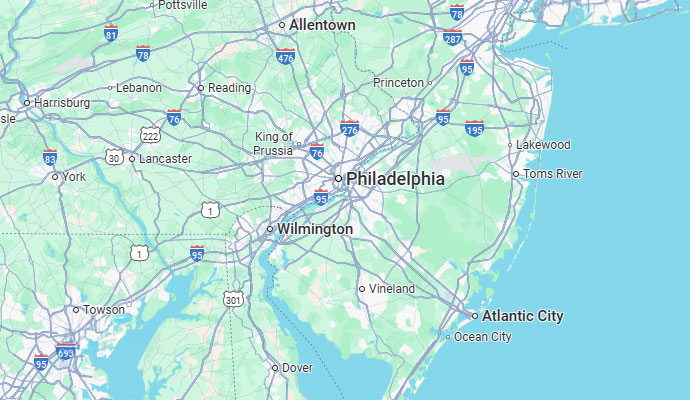
Trauma Scene Cleaners Service Area