
How to Recover Your Home and Mental Health Following a Loved One’s Suicide
Discovering the loss of a loved one at home is an unimaginable and deeply traumatic experience. In such moments of profound grief, it can be overwhelming to know what steps to take next. While nothing can ease the emotional burden, understanding how to safely restore a house and prioritize your well-being can help you navigate this difficult time.
Here, we’ll help you through the process of recovery—both for your home and your mental health—after experiencing such a heartbreaking loss.
Calling Cleanup Professionals Is in Your Best Interests
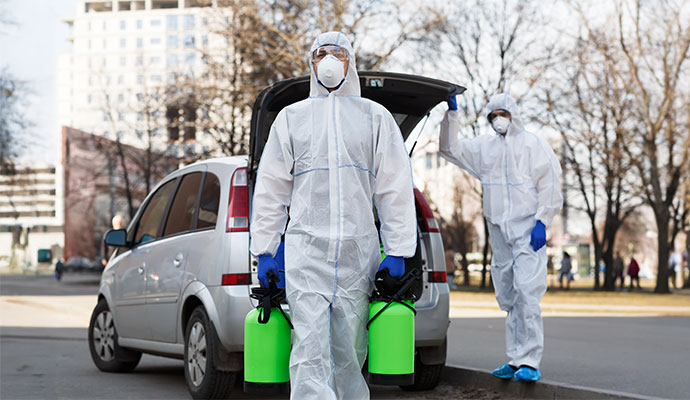
Cleaning up a suicide is not the same as simply sweeping dirt off the floor—blood and other bodily fluids are not only difficult to clean but also rather risky if you don’t have the proper experience or equipment. As such, reaching out to a professional suicide cleanup company is your best option. Some of these reasons you should leave this task to experts include:
- Health and Safety Risks – Exposure to blood and bodily fluids after a suicide attempt can transmit serious diseases, including HIV, hepatitis, and bacterial infections. Professionals use industry-approved methods to eliminate these hazards.
- Proper Biohazard Disposal – Regulations govern the handling and disposal of biohazardous materials. Certified technicians follow legal protocols to protect public health and support families affected by such tragedies.
- Thorough Cleaning and Sanitization – Standard household cleaners cannot fully remove biohazards left behind after a loved one’s suicide. Specialists use medical-grade disinfectants and advanced techniques to restore affected areas to a safe condition.
- Odor Removal – Decomposition leaves strong and persistent odors that seep into walls, flooring, and furniture. Professional remediation teams utilize ozone treatments and industrial deodorizers to eliminate these smells permanently, helping families regain a sense of normal life.
- Psychological Relief – Encountering a traumatic scene can cause emotional distress for loved ones. Trained professionals handle the cleanup process discreetly, allowing families to focus on the healing process at their own pace.
- Legal Compliance – Many states have strict biohazard cleanup laws. Hiring experts helps property owners comply with these regulations, avoiding potential fines or legal complications following a loved one’s death.
- Property Restoration – Blood and bodily fluids can cause permanent damage to flooring, drywall, and furniture. Experts assess structural integrity and provide recommendations for repairs when necessary, helping to preserve a person’s life investment in their home.
- Specialized Equipment – Advanced tools such as ATP meters, HEPA vacuums, and fogging machines detect and remove biohazards more effectively than consumer-grade cleaning products. These methods also address physical tension that can arise when attempting to clean up trauma scenes without proper resources.
- Time-Sensitive Response – Delaying cleanup increases health risks and property damage. Professionals respond quickly to mitigate hazards and allow families to focus on coping strategies such as therapy, support groups, or deep breathing exercises to manage their grief.
How to Cope With Your Grief
Given how life-altering and emotionally devastating it can be to come across the body of a loved one who took their own life, seeking mental health assistance is an absolute must. A licensed therapist with experience treating complicated grief can help bereaved individuals directly address their traumatic distress and better understand and process their extreme emotions. While not a substitute for getting help from a mental health professional, there are several healthy coping strategies you can follow to help you live with and overcome your grief.
Take Care of Yourself
Paying attention to your physical health is just as important as treating your emotional health. The trauma from a suicide loss can deprive individuals of their appetite and disrupt their sleeping schedules, so make sure you’re eating enough healthy meals and getting enough rest. Additionally, you shouldn’t rush your healing journey—make sure to go at your own pace and be kind to yourself.
Stay in Contact With Others
After losing a loved one, you may feel the pull to isolate yourself from others. However, connecting with others, especially family members and close friends, is essential for your mental well-being after going through such a traumatic incident. They can offer words of kindness and shoulders to lean on, and they can help you stay engaged during this emotionally challenging time.
Join a Support Group
Experiencing the pain and emotional numbness of another’s suicide is taxing on your own—but you’re far from alone. There are numerous support groups where suicide loss survivors meet to discuss their coping strategies and mental health conditions and use their experience to lift each other up.
Call Trauma Scene Cleaners Today
At Trauma Scene Cleaners, our caring professionals know how to clean up a suicide and will use their experience to help you in the most compassionate and effective way. In addition to suicide cleanup, we specialize in other biohazard cleanup services in Philadelphia and will be there to support you during your time of need.
Trauma Scene Cleaners Service Area